The Enigmatic Origins of Bottle Trees: Uncovering the Ancient Folklore Behind a Southern Tradition
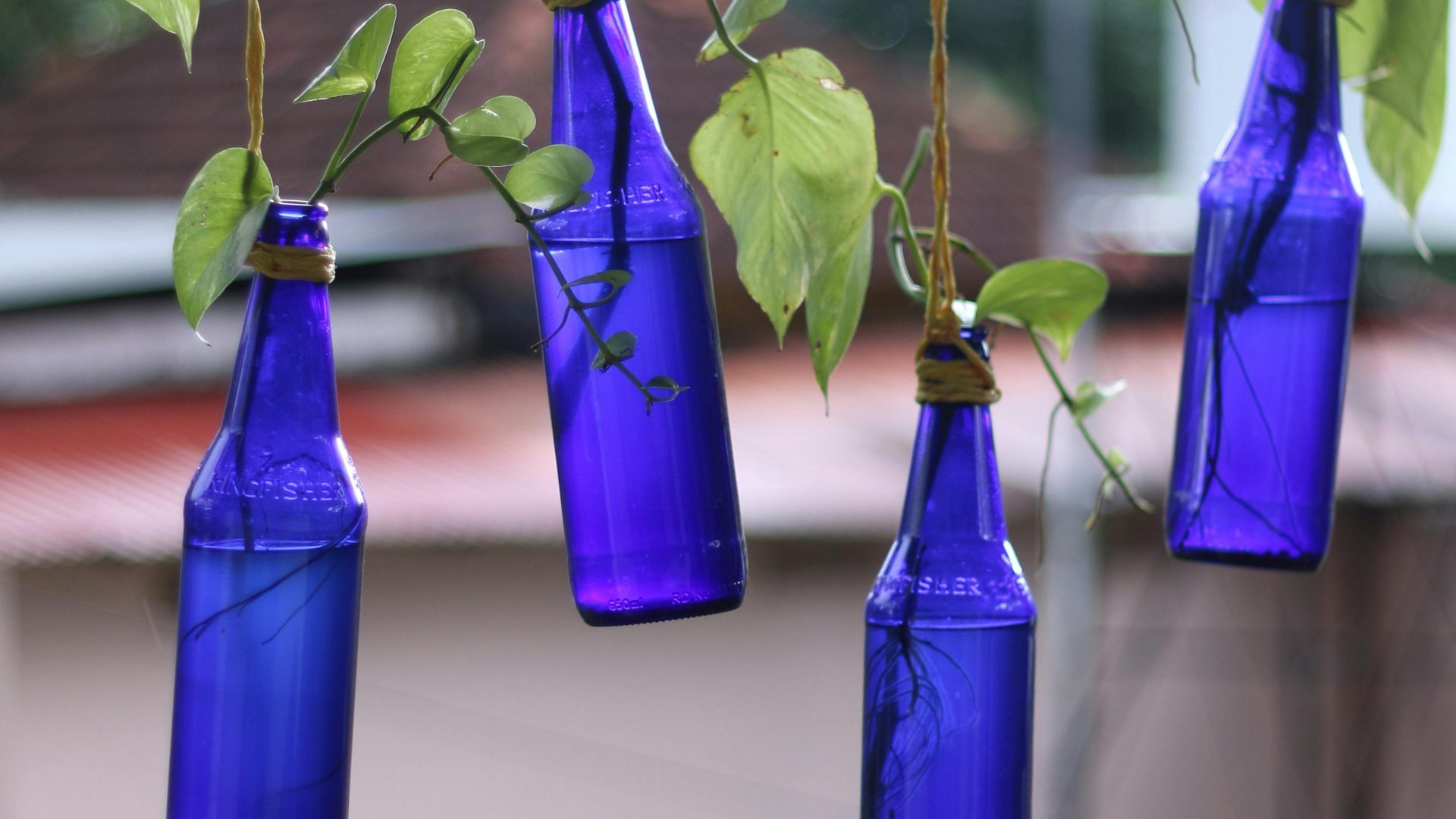
If you’ve traveled through the rural landscapes of the American South or the shadowy backroads of Appalachia, you might have encountered an intriguing sight: tall, often eerie-looking trees or iron poles adorned with shimmering blue glass bottles, seemingly reaching toward the sky. Today, many see these as quaint folk art or vibrant garden decorations crafted from recycled glass. However, beneath their charming exterior lies a rich tapestry of ancient beliefs and spiritual practices that date back centuries.
The Cultural Roots of Bottle Trees
What we now recognize as “bottle trees” traces back to old-world folklore centered on spirits, protective forces, and the unseen realms that intertwine with our physical world. Long before they became decorative fixtures, these structures served a much more spiritual purpose: acting as guardians or traps for malicious or wandering spirits, preventing them from crossing into homes and residing within the living space.
Origins and Influences from Ancient Traditions
The concept of using glass or reflective surfaces to capture or repel spirits is not unique to America. Ethnographic records suggest parallels across North Africa, the Middle East, and West Africa. In many of these traditional spiritual systems, reflective objects—mirrors, polished metals, or hollow vessels—were believed to attract, entrap, or confuse wandering spirits like jinn, ancestors’ spirits, or other unseen entities.
Some folklore even attributes to wind passing through narrow openings in glass bottles a supernatural hum or resonance, which could attract or disorient spirits—a sonic illusion that was thought to influence the spiritual realm around dwellings. To contemporary ears, it’s simply the sound of air traveling through a bottle’s neck, but historically, this auditory interpretation carried spiritual significance.
The African Connection and the Transatlantic Journey
These beliefs were integral to Bakongo spiritual practices in Central Africa, where the boundary between the living and the dead was considered permeable. Spirits were believed to roam freely and influence the physical world. During the brutal transatlantic slave trade, enslaved Africans carried these sacred traditions with them. Lacking access to elaborate ritual objects, they often adapted their protective practices, using discarded bottles, broken glass, branches, and iron stakes as substitutes.
The Traditional Function of Bottle Trees
In the American South, these makeshift vessels were commonly positioned near gates, crossroads, porches, or at other designated thresholds—places believed to be vulnerable entry points for spirits
0 thoughts on “The terrifying origin of “Bottle Trees”: Why thousands of people are hanging blue glass in their yards without realizing the ancient folklore behind them.”