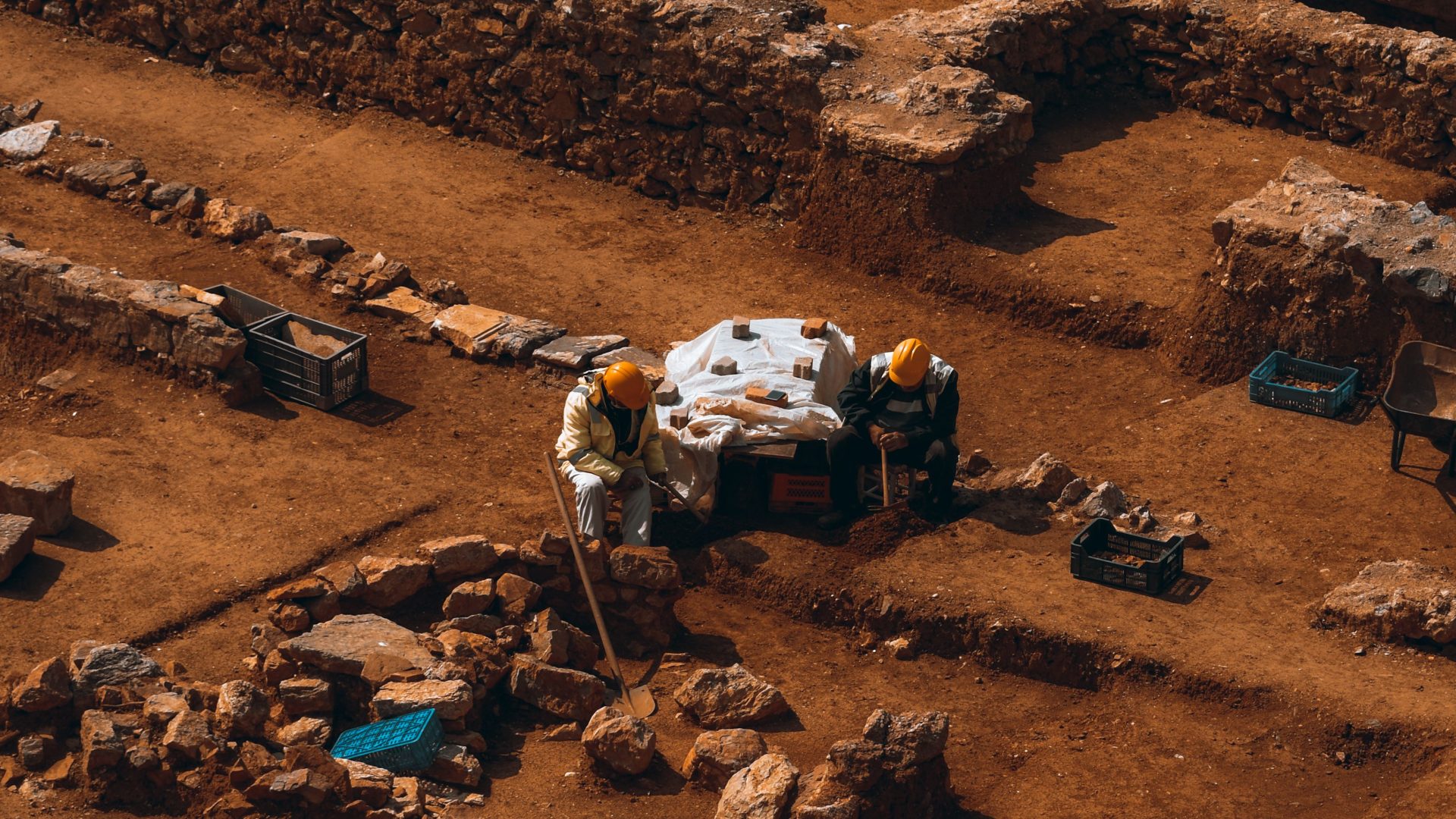
Uncovering Naturally Buried Mysteries: Excavations Reveal a Potential Lost Civilisation in Southeastern Turkey
Archaeological excavations underway in southeastern Turkey are currently unveiling what could be one of the most extraordinary discoveries in recent history: a previously unknown, sophisticated religious civilization that dates back approximately ten thousand years. Remarkably, this complex society appears to have been deliberately buried, adding an intriguing layer to its mystery.
This ongoing excavation project is generating significant excitement within the archaeological community and beyond. The site’s architecture and artifact assemblages suggest a culture that was artistically coherent and remarkably advanced for its time—striking in its grandeur and enigmatic in its religious symbolism. The finds offer a tantalizing glimpse into a civilization that has, until now, remained entirely hidden beneath the surface of history.
For those familiar with Göbekli Tepe, the renowned archaeological site also located in southeastern Turkey, this new discovery adds important context to our understanding of prehistoric societies in the region. Göbekli Tepe, often credited as the world’s oldest known temple complex, has reshaped perceptions of early human spiritual and social development. Similarly, recent findings suggest that the area was a hub of complex religious activity, now further illuminated by these new excavations.
The significance of such discoveries cannot be overstated. They not only challenge conventional narratives about the origins of civilization but also open new avenues for investigating the spiritual and cultural practices of our ancestors. The deliberate burial of this civilization raises compelling questions about its purpose and the processes that led to its concealment.
As archaeological work progresses, scholars and enthusiasts alike await more revelations from this enigmatic site. Each new layer uncovered offers the potential to redefine our understanding of human history, particularly concerning the development of religious thought and social organization during the late Paleolithic and early Neolithic periods.
For an in-depth exploration of this fascinating discovery and its broader implications, readers can refer to the detailed article published in The Spectator, the world’s oldest magazine, established in 1828. The piece provides valuable context to appreciate the broader significance of these ongoing excavations and their potential to reshape the historical narrative of early human civilization.
Stay tuned for updates on this remarkable archaeological discovery, as researchers continue to delve into the depths of Turkey’s ancient past.
0 thoughts on ““Archaeologists in southeastern Turkey are, at this moment, digging up a wild, grand, artistically coherent, implausibly strange, hitherto-unknown-to-us religious civilisation, which has been buried in Mesopotamia for ten thousand years. And it was all buried deliberately.””