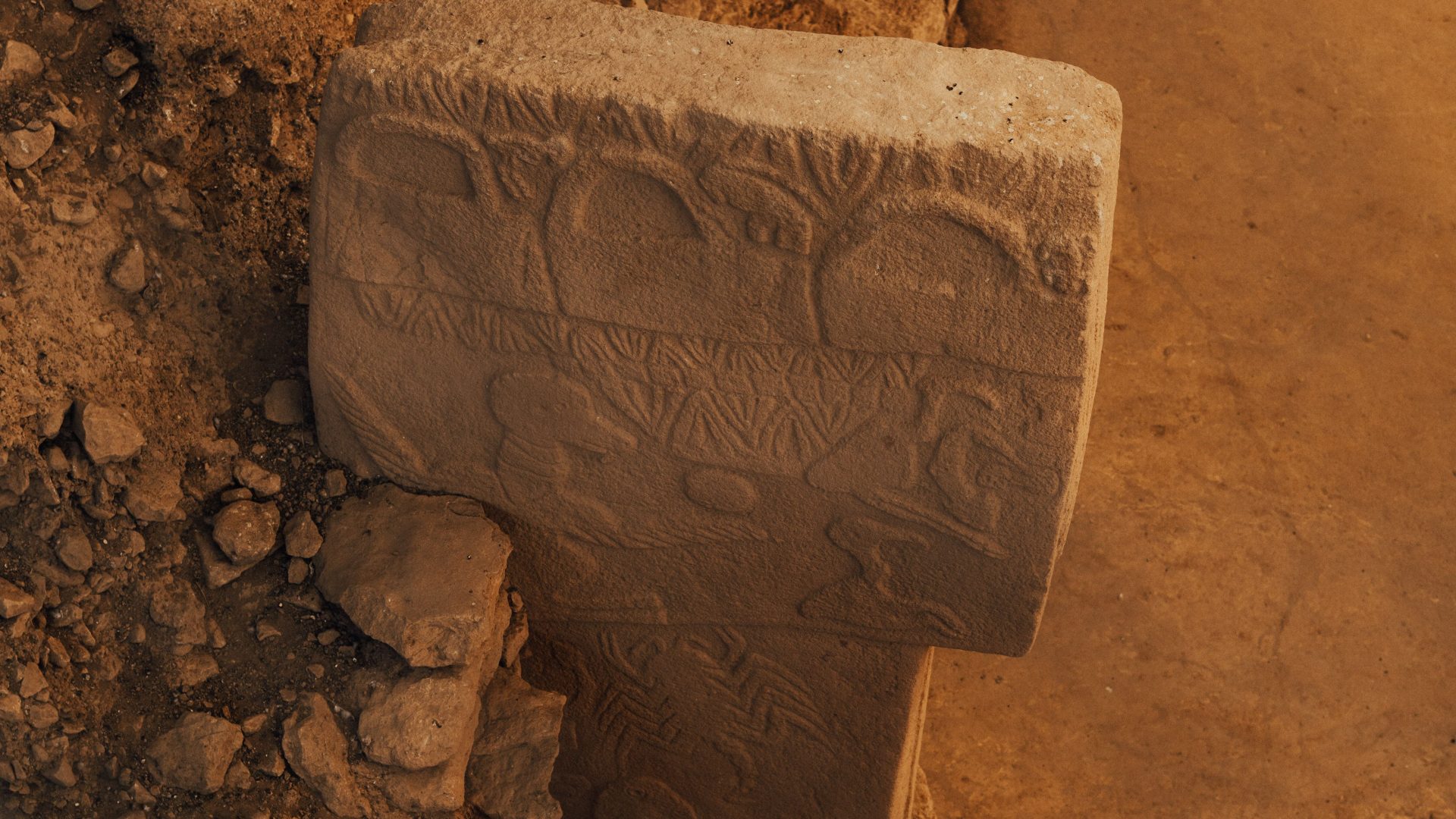
Unveiling the Enigma: The Universal Symbol of the Gods’ Sacred Bag from Sumer to Mesoamerica
Throughout history, ancient civilizations have left behind compelling artwork and artifacts that continue to intrigue researchers and enthusiasts alike. One such enigmatic element is the recurring depiction of a peculiar object—a bag or satchel—carried by divine figures across different cultures and time periods. From the ancient Sumerians to Mesoamerican civilizations, this mysterious accessory raises profound questions about human history and the possible connections among early civilizations.
The Ancient Depiction of the Divine’s Sacred Bag
In the cradle of civilization, Sumerian depictions of the Anunnaki—the gods of the ancient Mesopotamians—often show these deities clutching an object resembling a bag or pouch. These images date back thousands of years and are among the earliest representations of divine figures carrying what appears to be a portable symbol of significance. Despite the cultural and geographical distance, similar representations emerge in ancient Mesoamerican artwork, including depictions of gods and rulers from civilizations such as the Maya, Aztec, Toltec, and Olmec.
Symbols Spanning Continents and Cultures
This striking resemblance prompts intriguing questions: Is this a mere coincidence, or does it hint at a shared mythological or cultural heritage? Recent archaeological discoveries over the past few decades have rekindled interest in these symbols, suggesting that human societies may have interacted or exchanged knowledge more extensively than previously believed. The recurring motif of a divine bag appears to transcend regional boundaries, hinting at a possible ancient global culture or a common spiritual concept.
Theories and Interpretations
One hypothesis posits that these bags symbolize sacred knowledge, spiritual power, or mystical artifacts possessed by gods or divine beings. What exactly was contained within these bags remains a subject of speculation—could they have housed divine relics, knowledge, or tools vital to creation myths and spiritual practices?
Furthermore, some scholars propose that the presence of similar depictions across disparate civilizations may point to a common origin of mythologies or even direct ancient contact—a concept that challenges mainstream historical narratives. Could the ancient Sumerian Anunnaki and the gods of Mesoamerican cosmology be representations of the same celestial entities appearing across the globe in different eras and cultures?
Reconsidering Human Origins and Connections
The implications of such connections are profound. If these divine figures and their associated symbols are interconnected, it may suggest that early human civilizations shared knowledge or had contact through
0 thoughts on “The mystery handbag of the Gods: Depicted in Sumer, America, and Göbekli Tepe”