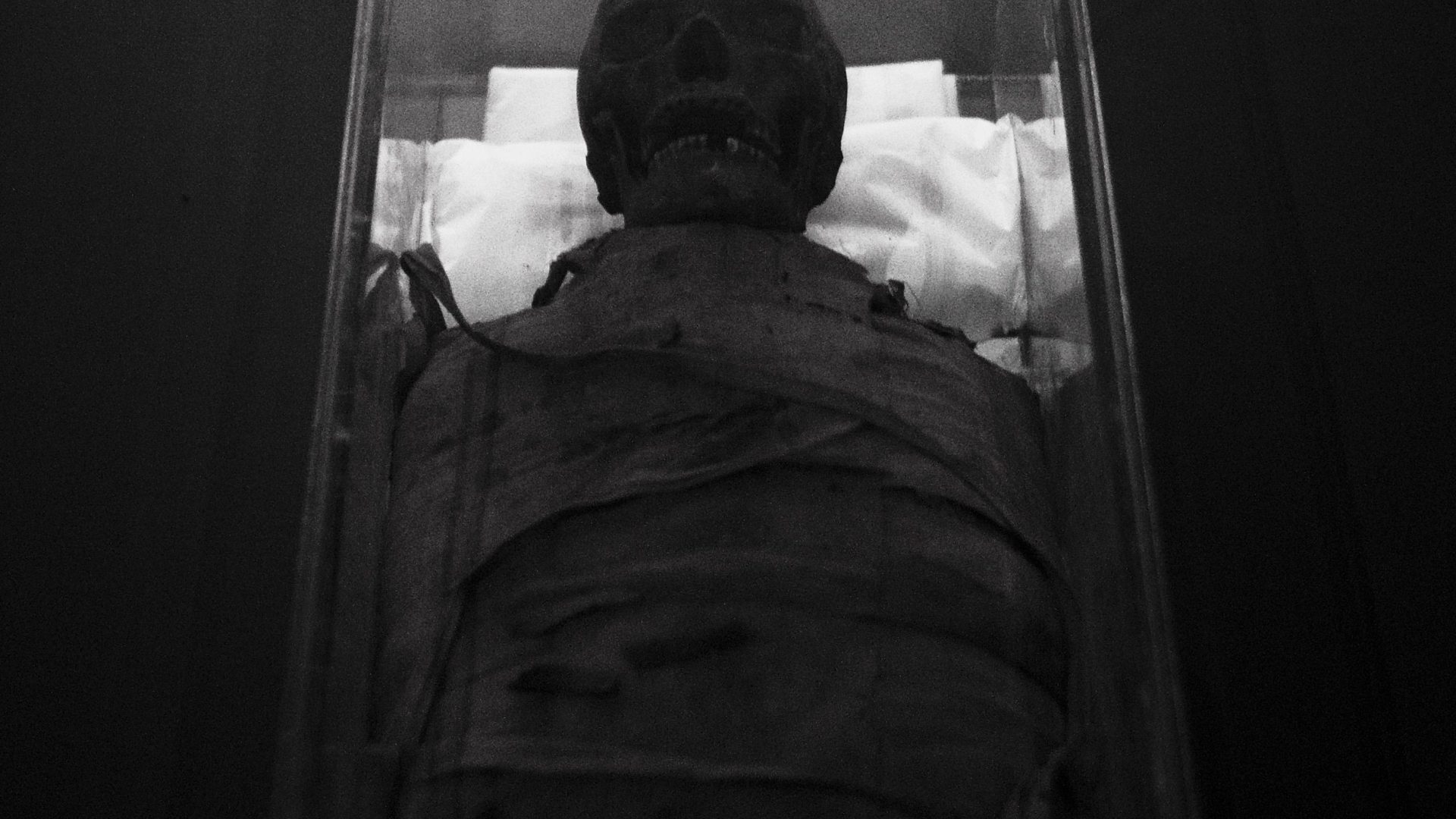
Analyzing the Genetic Data Behind the “Alien Mummy” Claims: A Deep Dive into Bioinformatics
In recent discussions surrounding mysterious mummies uncovered in Peru, much attention has been given to anatomical peculiarities—such as unusual bone structures, hips, fingers, and other skeletal features. While these anatomical observations are fascinating and warrant further investigation by specialists, my focus is on a different aspect: the genetic evidence purportedly associated with these remains. Specifically, I am examining the DNA sequences linked to the so-called “alien mummy” claims, to assess their authenticity and implications.
A Data Scientist’s Approach to Ancient DNA Analysis
As a data scientist with background experience in molecular biology and bioinformatics, I have been inspired by the proactive stance of researchers like Avi Loeb, who advocate for independent analysis rather than waiting for official or institutional conclusions. Leveraging publicly available data and open-source tools, I set out to analyze the genetic sequences shared by other Redditors and researchers involved in the investigation.
Understanding the Complexity of Ancient DNA
Ancient DNA (aDNA) analysis presents unique challenges. Samples often suffer from degradation, contamination, and fragmentation, which complicate sequencing and interpretation. Sequencing runs can take hours or even days to process, requiring meticulous pipeline management and manual inspection at each step to ensure data quality. Recognizing these challenges, I’ve been building and running bioinformatics workflows locally, with detailed documentation and sharing progress openly to foster collaborative scrutiny.
The Process: From Raw Reads to Insights
The core of my analysis revolves around several key stages:
-
Data Preparation: Aligning sequencing reads against the human reference genome (e.g., hg38) to identify human-derived sequences and separate them from potential contaminants.
-
Unaligned Reads Analysis: Extracting reads that do not match the human genome for further classification. These may originate from microbes, environmental contaminants, or other organisms.
-
Taxonomic Classification: Using tools like Kraken2 to assign taxonomic labels to the non-human reads, providing initial insights into the biological sources present in the samples.
-
De Novo Assembly: Assembling the unaligned reads into longer contiguous sequences (“contigs”) with assemblers such as Megahit, aiming to reconstruct larger genomic fragments for better identification.
-
Functional and Comparative Analysis: Running BLAST searches, k-mer frequency analyses, binning, and phylogenetic reconstructions to explore potential relationships among sequences, detect unexpected organisms, and infer possible origins.
0 thoughts on “I’m analyzing the “alien mummy” DNA so you don’t have to.”