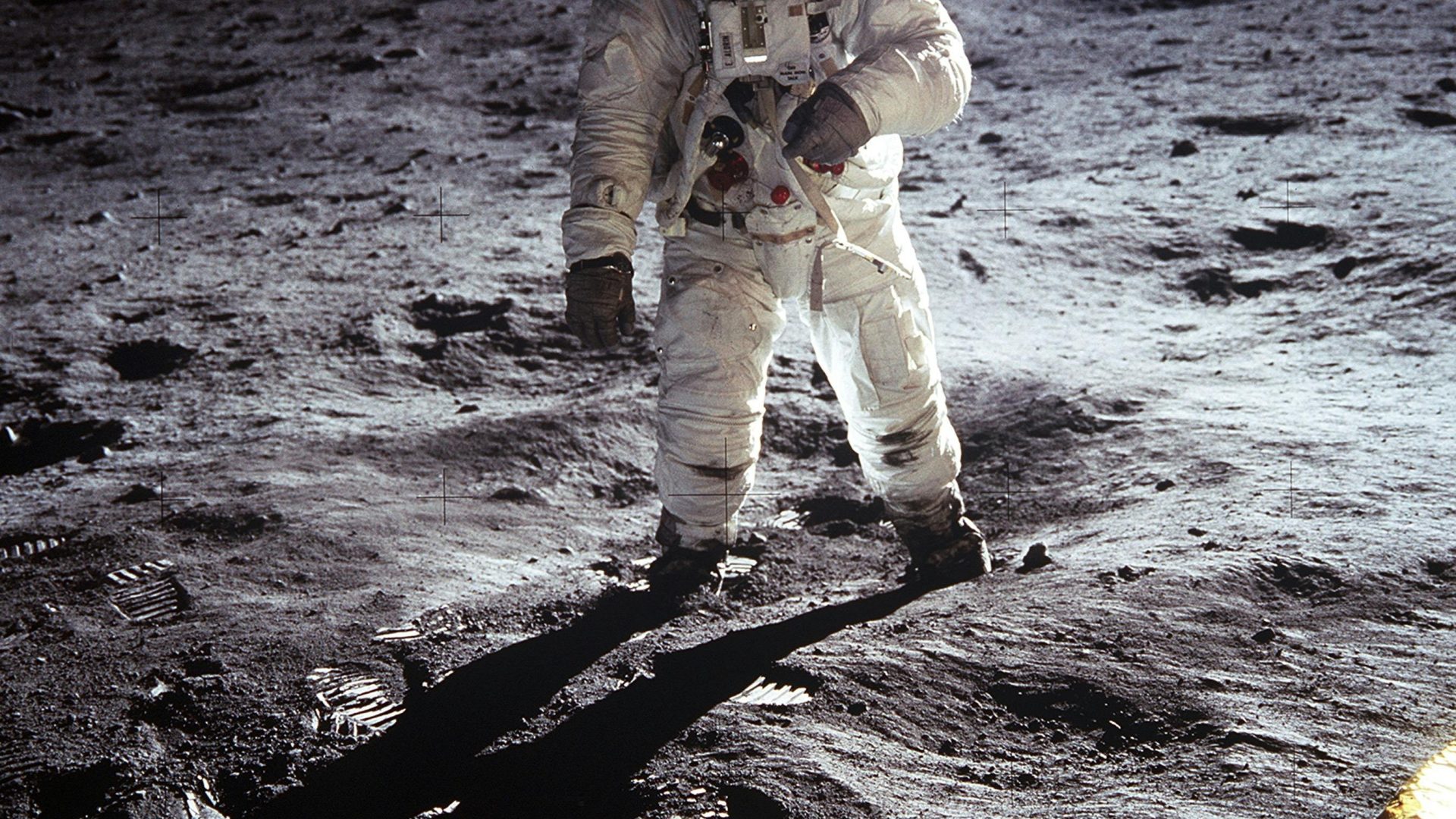
The Silence of Space Agencies: A Reflection on Transparency and Public Trust
In recent times, a significant event in human history unfolded—one that captivated the world’s attention and held the promise of extraordinary revelations. Yet, notably, NASA’s response—or lack thereof—has sparked widespread discourse. The agency remained silent during a pivotal moment, raising questions about transparency, accountability, and the role of governmental space programs in serving public interest.
Monitoring versus Informing: The Ethical Dilemma
Space agencies like NASA possess some of the most advanced technological tools ever developed, enabling detailed observation of astronomical phenomena, planetary conditions, and cosmic events. However, the question arises: why does this extraordinary capacity not always translate into open communication with the public?
Many observers contend that selective dissemination of information serves institutional interests rather than the public good. When agencies choose to monitor yet withhold vital data, it fosters a closed environment where information manipulation becomes a real danger. This approach not only undermines public trust but also opens the door to potential misinformation and conspiracy theories.
The Global Landscape of Space Observation
NASA undoubtedly leads in technological sophistication—whether through Mars rovers, the James Webb Space Telescope (JWST), or other cutting-edge instruments. Nonetheless, it’s widely acknowledged that numerous space agencies worldwide possess comparable, if not more advanced, capabilities. Despite this, a pattern persists: governments often choose discretion over transparency, concealing data from the public eye.
This collective tendency suggests a broader cultural and political issue. When vital scientific or astronomical information remains secret, it diminishes the collective knowledge base and fosters skepticism about the motivations behind such secrecy.
Implications for Humanity and the Future
In a time when global cooperation is essential to address challenges such as climate change, space exploration, and planetary defense, transparency becomes more critical than ever. Open communication fosters trust, encourages scientific collaboration, and empowers citizens to engage meaningfully with the universe beyond our planet.
Furthermore, withholding information about phenomena that could have profound implications for humanity undermines the very essence of scientific inquiry and progress. As stewards of knowledge, space agencies carry the responsibility to share discoveries responsibly but openly.
Conclusion
The silence exhibited by major space agencies during pivotal moments reflects a deeper issue concerning transparency, public interest, and the ethical responsibilities inherent in scientific exploration. It’s imperative to question and scrutinize the motives behind information withholding, ensuring that exploration ultimately benefits all humankind.
As we look to the stars and our place within the cosmos, fostering a culture of openness and trust will
0 thoughts on “Today, gentlemen, will forever be marked as the day NASA remained silent during one of the most important events in the history of the human race.”