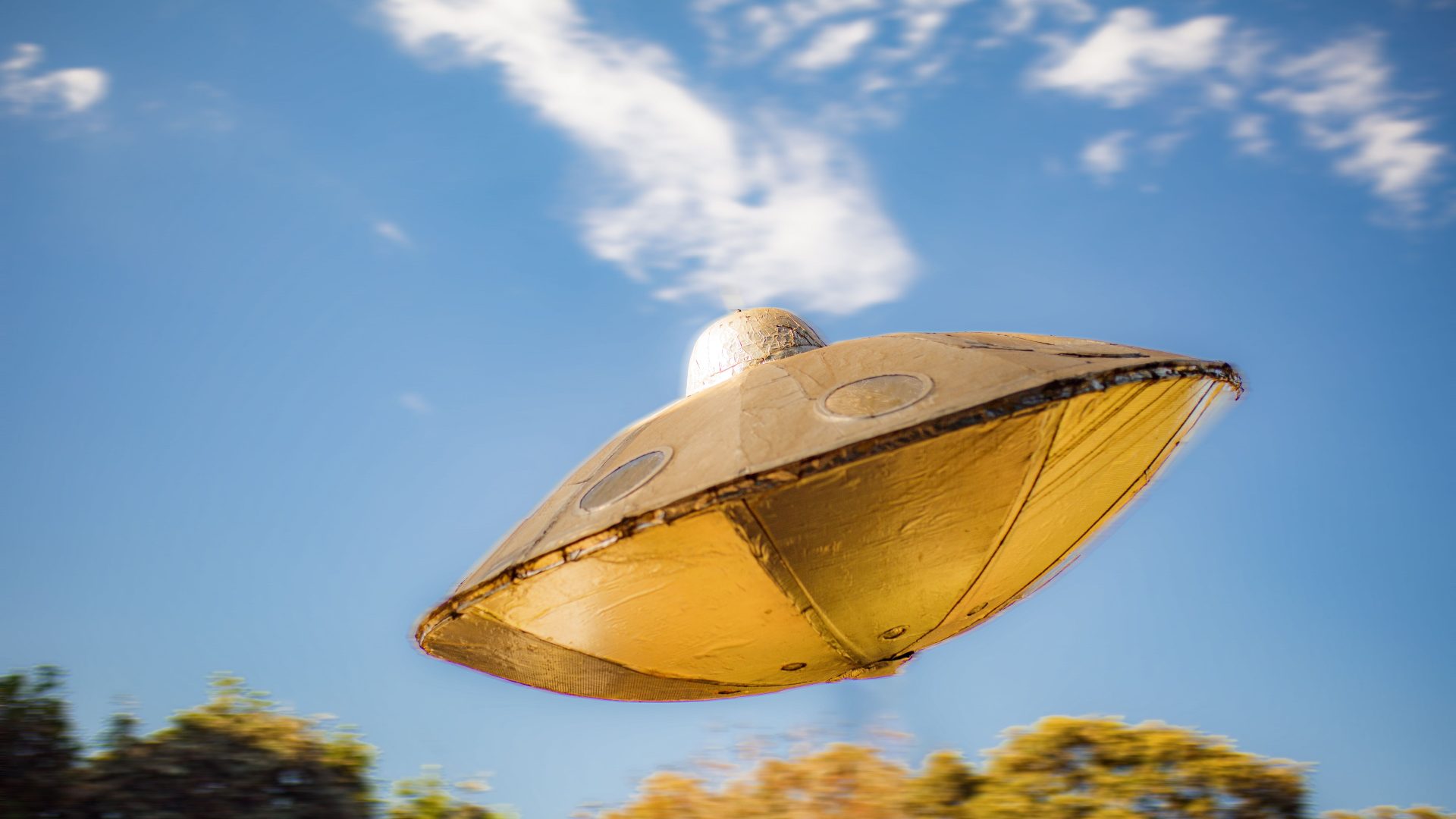
Analyzing Over 79,000 UFO Reports with AI: Revealing Insights from the NUFORC Database
In the evolving landscape of extraterrestrial research and phenomena investigation, data-driven analysis offers a compelling avenue for understanding UFO sightings. Moving beyond typical speculative discussions, this article presents a comprehensive examination of 79,621 declassified UFO reports, utilizing advanced artificial intelligence (AI) techniques to glean meaningful insights from historical data.
Methodology Overview
The analysis leverages a robust data science pipeline, combining a Next.js-based web interface with a Python-powered Natural Language Processing (NLP) framework. This approach ensures transparency and reproducibility, with all methodologies openly documented. Every statistic presented stems directly from publicly accessible datasets, emphasizing credibility and scientific rigor.
Key Findings
- Temporal Patterns in Sightings
One consistent pattern across the 74-year dataset (1941–2014) is that approximately 61% of UFO reports occur between 8 p.m. and 2 a.m. This trend remains stable over the decades, suggesting a possible link to periods of increased human activity during nighttime hours or observational biases related to human alertness and reporting.
- Assessing Report Surges and Artifact Normalization
A notable spike in sightings around 2012 has often been cited in popular media. However, further analysis indicates this peak correlates significantly with the proliferation of smartphones equipped with cameras. After adjusting for this technological bias, the apparent trend flattens considerably, highlighting the importance of accounting for reporting biases in such datasets.
- Geographic Variations and Per Capita Sightings
When normalized by population, Washington State surpasses California in UFO reports per capita. This geographic discrepancy may reflect heightened local interest, reporting practices, or unique regional factors influencing sightings. Such normalization underscores the necessity of considering demographic variables in spatial analyses.
- Unusual Flight Characteristics
Among the reports, 77 accounts detailed objects exhibiting silent flight simultaneously with instant acceleration. These descriptions challenge conventional understanding of aerodynamics and indicate phenomena that merit further scientific inquiry.
- Trends in Object Shapes
Reports describing triangle-shaped UFOs have nearly tripled since the 1980s. This increase could reflect genuine changes in sightings or evolving reporting and identification patterns. Continued monitoring and analysis are essential to interpret this trend accurately.
Conclusion
This comprehensive analysis underscores the value of applying AI and data science techniques to the study of UFO phenomena. By grounding conclusions in publicly available data and rigorous methodology, we aim to foster a more scientific and unbiased discourse around
0 thoughts on “I analyzed 79,621 declassified UFO reports with AI — here’s what the data actually shows”