University of Ica in Peru Secures Extensive Tridactyl Fossil Collection, Pending Cultural Heritage Recognition
The University of Ica in Peru has announced a groundbreaking development in paleontological research: it now holds what is believed to be almost the entirety of discovered tridactyl (three-toed) archaeological evidence. Currently, access to these findings is restricted to the public, as university officials await formal recognition from the Peruvian Ministry of Culture to designate these artifacts as cultural heritage assets.
A Remarkable Collection of Discoveries
The collection encompasses a diverse array of specimens, some of which challenge conventional understanding of prehistoric life and ancient humanoid forms. Highlights of the finds include:
- A 6-foot Tall Male Specimen: Possibly representing a significant representative of the tridactyl species.
- Multiple Adult and Sub-Adult Specimens: Including three approximately 5-foot tall individuals, with one identified as pregnant, suggesting that these beings may have had similar life processes to humans.
- Juvenile and Child Specimens: Two smaller individuals, roughly 3 feet in height, are interpreted as a juvenile and a teenager.
- Infant Remains: A solitary baby specimen adds to the evidence of these beings’ complex social structures.
- Reptilian Humanoids: Several fossils appear to depict humanoid creatures with reptilian features, suggesting a possibly diverse ecosystem or hierarchy.
- Anomalous Heads and Implants: Some skulls are found loose, with a subset exhibiting implants, raising questions about biological enhancements or technological integration.
- Insectoid Humanoids: Additional fossils resemble humanoid forms with insect-like characteristics, hinting at a broad spectrum of ancient life.
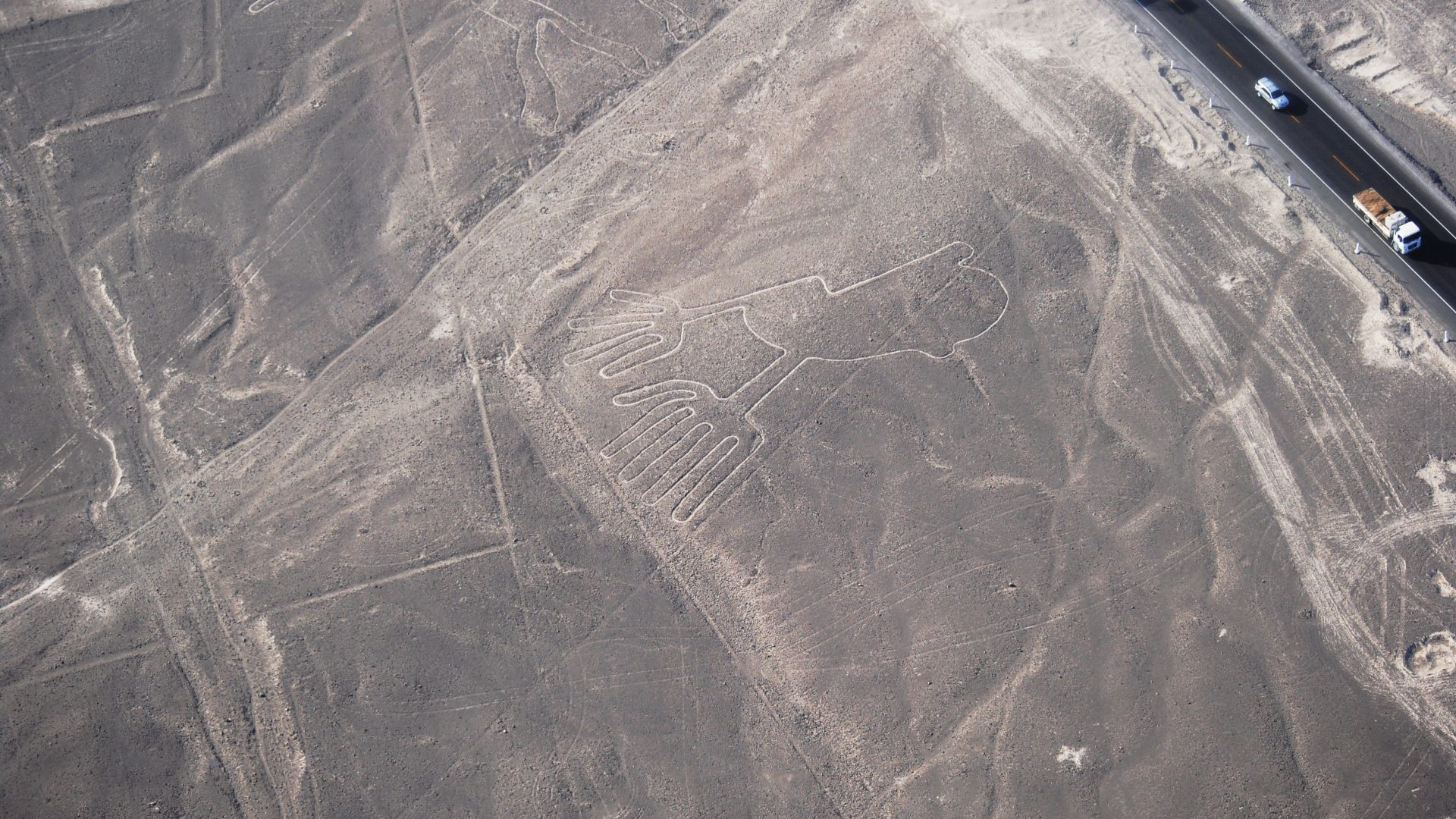
- Giant Hands and a Colossal Head: The collection includes multiple oversized hands, as well as a massive head believed to be an ancient construct or monument, possibly serving ceremonial or symbolic purposes.
Awaiting Official Recognition
The university emphasizes that these findings are under review for official cultural recognition, which will provide legal protection and facilitate further research. Until approval is granted, access to the specimens remains restricted to authorized personnel, underscoring the sensitive and potentially transformative nature of the discoveries.
Implications for History and Science
While the full scientific analysis is ongoing, the breadth and diversity of these findings could have profound implications for our understanding of ancient life, possibly indicating the existence of highly advanced or unknown civilizations. Researchers and enthusiasts alike await the formal classification of these artifacts,
0 thoughts on “The University of Ica in Peru now possesses basically all discovered tridactyl evidence.”