Uncovering a Mysterious Ancient Civilization Beneath Southeastern Turkey: A Breakthrough in Archaeological Research
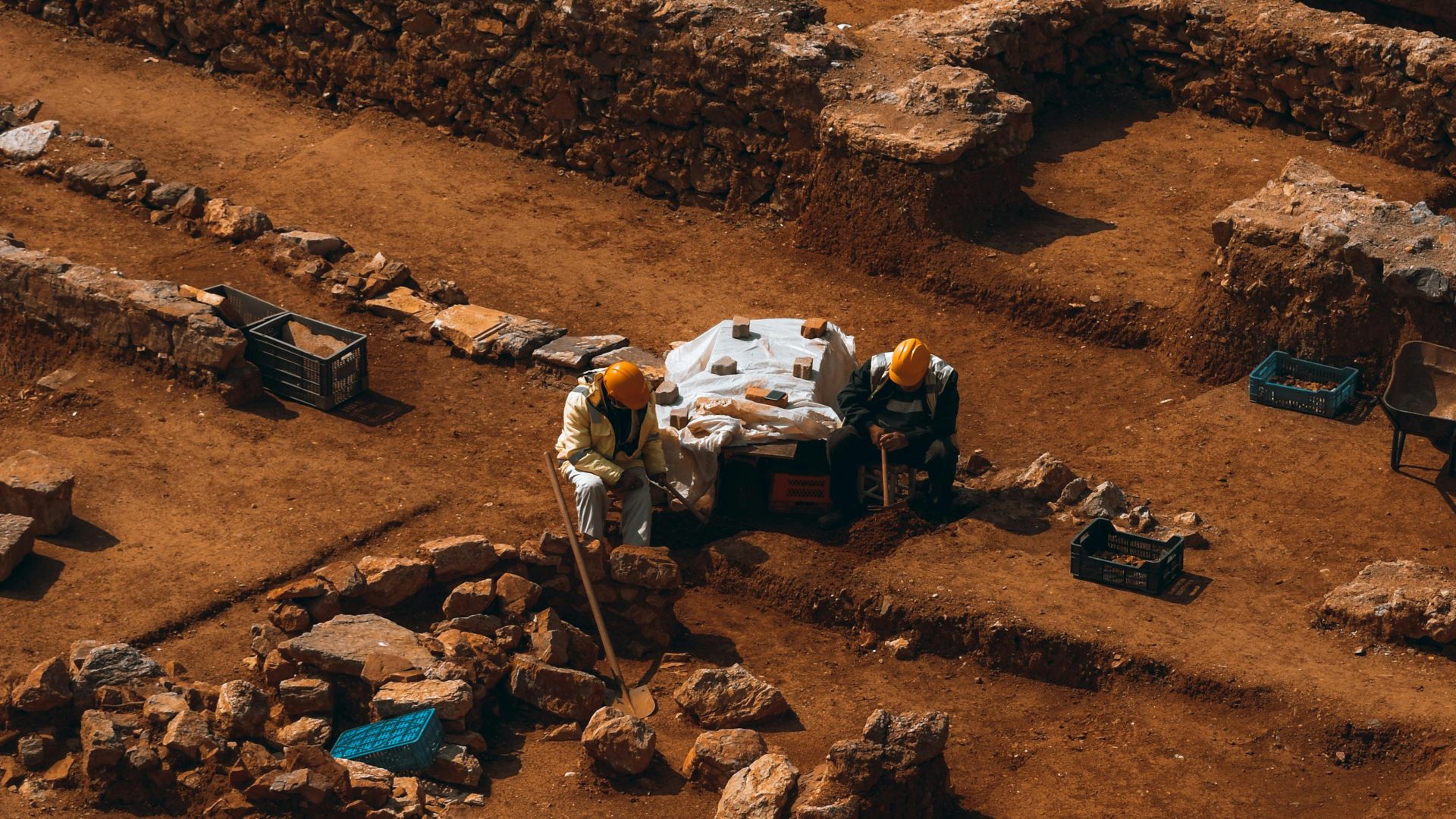
Recent archaeological excavations in southeastern Turkey have unveiled a remarkable and enigmatic civilization previously unknown to modern science. These ongoing digs are revealing a complex society characterized by artistic coherence, religious sophistication, and a deliberate burial landscape that dates back an astonishing ten thousand years. Such discoveries are reshaping our understanding of early human history and the development of civilization in the region traditionally associated with Mesopotamia.
The Significance of the Discoveries
The site, located in the vicinity of the famous Göbekli Tepe, has garnered significant attention from the archaeological community and enthusiasts alike. Göbekli Tepe, often referred to as the world’s oldest known temple complex, has long fascinated researchers with its monumental stone pillars and intricate carvings dating back to approximately 9600 BCE. However, recent excavations suggest that Göbekli Tepe may be part of a broader, even more ancient cultural landscape.
The latest findings indicate a civilization with a distinct artistic style and complex religious practices, all preserved beneath layers of sediment that suggest intentional burial. Dr. [Name], lead archaeologist on the project, notes, “We are uncovering evidence of a society that not only predated known civilizations but also possessed a sophisticated spiritual and cultural expression that was deliberately concealed or preserved underground.”
A Deliberate Hidden Past
One of the most intriguing aspects of this discovery is the intentionality behind the civilization’s burial. The artifacts and structures appear to have been deliberately entombed, prompting questions about the cultural or spiritual motivations behind such actions. Was this a ritualistic practice? An act of preservation? Or perhaps an early form of complex societal memory?
These questions underscore the importance of the ongoing excavations, which promise to provide new insights into the origins of human spirituality, social organization, and artistic expression during a pivotal period in human history.
Context and Broader Implications
Many familiar with Gobekli Tepe understand its significance as a hallmark of prehistoric religious life. However, the recent discoveries suggest an even broader cultural ecosystem that existed thousands of years earlier. The article from The Spectator, the world’s oldest continuously published magazine since 1828, offers a compelling contextualization of these discoveries within the wider narrative of human history.
As researchers continue to explore this extraordinary site, the potential to rewrite parts of human history becomes increasingly apparent. These findings challenge conventional timelines and deepen our appreciation for the
0 thoughts on “Currently, archaeologists in southeastern Turkey are uncovering a remarkable, cohesive, and bizarre ancient religious civilization—one that was intentionally buried in Mesopotamia ten thousand years ago, and until now, remained completely unknown to us.”